
Honey Testing
Authenticity, sugar-profile, HMF, quality and heavy-metal testing of honey to FSSAI & IS standards.
About Honey Testing
Honey is among the most sophisticated adulteration targets in the food trade, with rice and corn syrups engineered specifically to defeat older detection methods. CVR Labs tests raw, processed and branded honey for moisture, HMF, Fiehe's test, the fructose:glucose and sucrose sugar profile, electrical conductivity, free acidity and specific gravity that distinguish genuine honey from a sweetened imitation.
We add a full heavy-metal panel — lead, arsenic, cadmium, mercury, nickel, copper, tin and zinc by ICP-MS — with reporting against FSSAI and IS honey standards. This accredited authenticity, quality and safety panel gives exporters and brands the evidence buyers and regulators now ask of Indian honey.
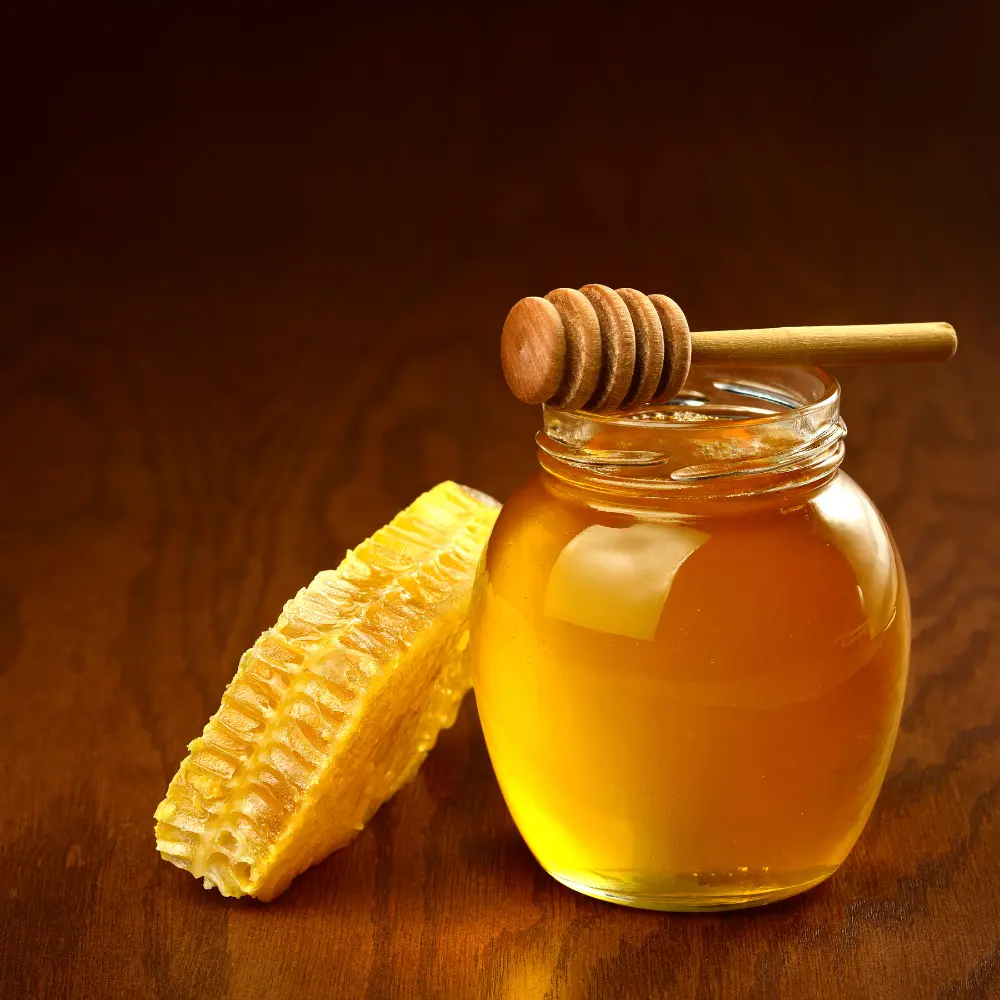
Signature tests under Honey Testing
The checks clients most often ask for with this service — we build the right sub-panel around your product and standard.
What we analyse under Honey Testing
The parameter groups below are drawn from this service's own accredited scope; the full searchable list follows.
Syrup adulteration is engineered
Modern rice and corn syrups are designed to pass basic tests; the sugar profile (fructose:glucose, sucrose), Fiehe's test and HMF together flag adulteration and heat abuse.
HMF reveals heat and age
High HMF indicates overheating or prolonged storage and downgrades honey quality — a core FSSAI and Codex parameter.
Heavy metals reach honey too
Lead, arsenic, cadmium and mercury can enter honey from the environment; our ICP-MS panel quantifies them against FSSAI limits.
Authenticity & sugar profile
Quality & physico-chemical
Heavy & trace metals
Nutritional & proximate
Honey Testing — parameters & methods
| Parameter / Test | Method / Standard |
|---|---|
| Fat | IS 12758IS 9037IS 12451 |
| Protein | IS 7219FSSAI manual of methods of analysis of foods (Cereal and cereal products) FSSAI 03.017:2023FSSAI Manual of Methods of Analysis of foods (Dairy and dairy products) FSSAI 01.026:2022 |
| Acidity as formic acid | FSSAI Manual of Methods of Analysis of foods (Honey & other beehive products) 04B.007:2024 |
| Electrical conductivity | FSSAI Manual of Methods of Analysis of foods (Honey & other beehive products) 04B.014:2024 |
| Fiehe's test | IS 4941 |
| Free acidity | FSSAI Manual of Methods of Analysis of foods (Honey & other beehive products) 04B.008:2024 |
| Fructose : Glucose ratio | FSSAI Manual of Methods of Analysis of foods (Honey & other beehive products) 04B.004:2024 |
| Hydroxymethylfurfural (HMF) | AOAC 22nd edition 980.23 |
| Moisture | FSSAI Manual of Methods of Analysis of foods (Fruits & Vegetable Products) 4.1FSSAI Manual of Methods of Analysis of foods (Oils and fats), FSSAI 02.001:2021FSSAI manual of methods of analysis of foods (Cereal and cereal products) FSSAI 03.006:2023 |
| Specific gravity at 27°C | FSSAI Manual of Methods of Analysis of foods (Honey & other beehive products) 04B.001:2024 |
| Sucrose | IS 15279IS 4079FSSAI Manual of Methods of Analysis of foods (Honey & other beehive products) 04B.004:2024 |
| Total ash | IS 13846IS 6287IS 4684 |
| Total reducing sugar | FSSAI Manual of Methods of Analysis of foods (Honey & other beehive products) 04B.004:2024 |
| Water insoluble matter | FSSAI Manual of Methods of Analysis of foods (Honey & other beehive products) 04B.011:2024IS 7224 |
| Arsenic as As | CVR/INS/SOP/ICPMS/003IS 3025 (PART 65)CVR/INS/SOP/ICPMS/001 |
| Cadmium as Cd | CVR/INS/SOP/ICPMS/003IS 3025 (PART 65)CVR/INS/SOP/ICPMS/005 |
| Copper as Cu | CVR/INS/SOP/ICPMS/003IS 3025 (PART 65)CVR/INS/SOP/ICPMS/005 |
| Copper Hydroxide (Copper determined as elemental Copper) | CVR/INS/SOP/ICPMS/003CVR/INS/SOP/ICPMS/004 |
| Copper Oxychloride (Copper determined as elemental Copper) | CVR/INS/SOP/ICPMS/003CVR/INS/SOP/ICPMS/004 |
| Copper Sulphate (Copper determined as elemental Copper) | CVR/INS/SOP/ICPMS/003CVR/INS/SOP/ICPMS/004 |
| Cuprous Oxide (Copper determined as elemental Copper) | CVR/INS/SOP/ICPMS/003CVR/INS/SOP/ICPMS/004 |
| Lead as Pb | CVR/INS/SOP/ICPMS/003IS 3025 (PART 65)CVR/INS/SOP/ICPMS/001 |
| Mercury as Hg | AOAC 22nd Edition : 2015.01EPA 200.8EPA 29 |
| Nickel as Ni | CVR/INS/SOP/ICPMS/003IS 3025 (PART 65)CVR/INS/SOP/ICPMS/001 |
| Tin as Sn | CVR/INS/SOP/ICPMS/003CVR/INS/SOP/ICPMS/005 |
| Zinc as Zn | CVR/INS/SOP/ICPMS/003IS 3025 (PART 65) |
How Honey Testing is tested
Reference methods applied
Where more than one standard applies, the appropriate method is selected for each sample and regulatory requirement. Heavy metals are determined by ICP-MS under validated in-house CVR SOPs within the accredited scope.
Accreditations covering Honey Testing
See the Accreditations & Scope page for full certificate details.
Samples we accept for Honey Testing
From enquiry to accredited report
Request a Quote
Share product, parameters and target standard.
Send Sample
Submit in sealed, labelled packaging or arrange pickup.
Login & Prep
Logged in LIMS with unique IDs and prepared.
Accredited Analysis
Validated NABL-scope methods on advanced instruments.
Test Report
Traceable, accredited report with limit comparison.
Honey Testing — frequently asked questions
Is Honey Testing NABL-accredited at CVR Labs?
Can you detect sugar syrup added to honey?
What does HMF tell me about honey?
What do you test honey for?
What samples do you accept for Honey Testing?
What parameters are included in Honey Testing?
Ready to test with an accredited laboratory?
NABL ISO/IEC 17025:2017 · ISO 9001 · ISO 45001 · CPCB · BIS — trusted since 1999.