
Residues & Contaminants Testing
Trace-level detection of heavy metals, pesticide residues, mycotoxins, additives and adulterants by GC-MS/MS, LC-MS/MS and ICP-MS.
Residues & Contaminants at CVR Labs
CVR Labs operates a dedicated trace-analysis facility for residues & contaminants. Working at parts-per-billion sensitivity on GC-MS/MS, LC-MS/MS, ICP-MS, HPLC, AAS, GC, IC and UV-Vis, we quantify regulated contaminants against FSSAI and Codex maximum limits across the full food and agricultural range.
Sample preparation, extraction, clean-up and instrumental determination follow validated, NABL ISO/IEC 17025-accredited procedures, supported by certified reference materials and continuous quality control. The result is data that stands up to regulatory scrutiny, import-alert defence and legal use.
Services in this category

Heavy Metals / Trace Metals Testing
ICP-MS and AAS quantification of toxic and nutritional metals in food, water, soil, air and waste matrices.
View details →
Pesticide Residue Testing
Multi-residue pesticide screening (organochlorine, organophosphorus, pyrethroid, carbamate) by GC-MS/MS & LC-MS/MS.
View details →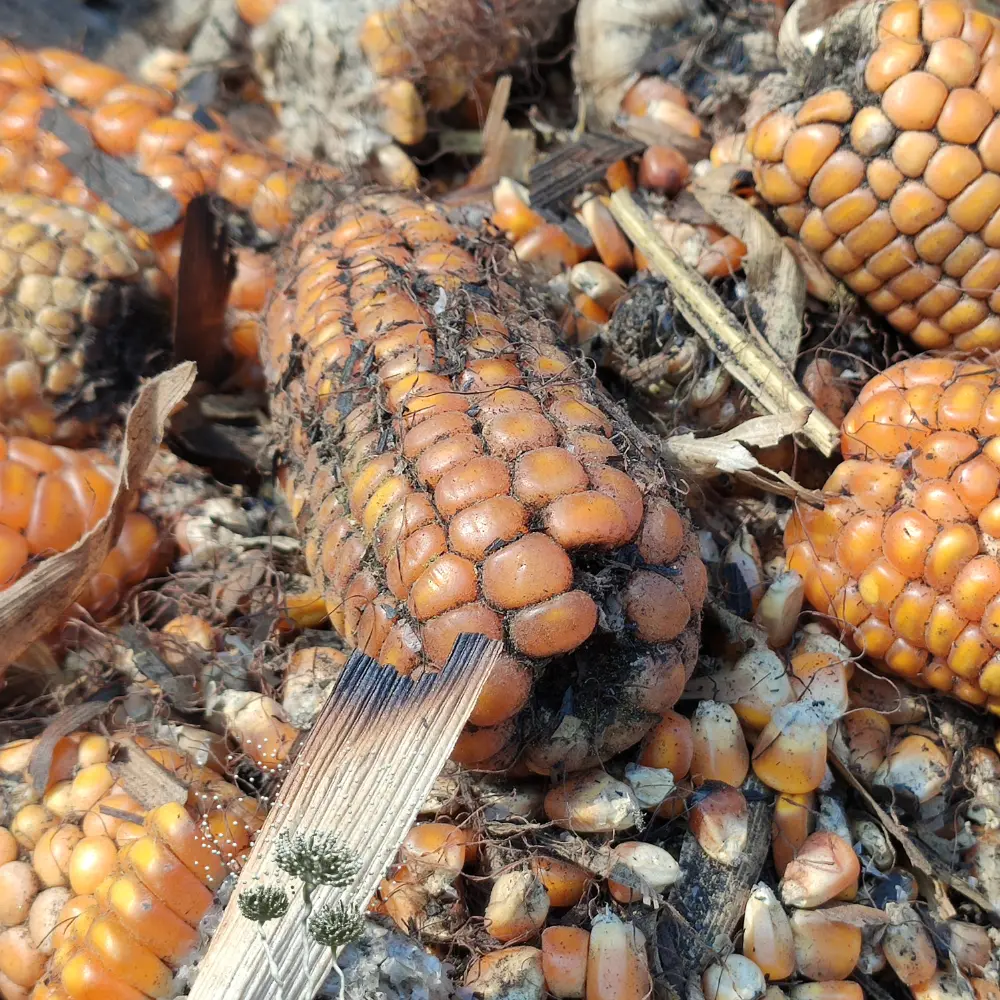
Mycotoxins Testing
Ochratoxin A, patulin and DON by LC-MS/MS and HPLC.
View details →
Food Additives, Preservatives & Colours
Synthetic colours, preservatives, sweeteners and antioxidants quantified against FSSAI permitted limits.
View details →
Melamine & Contaminant Screening
Targeted screening for melamine and other economic adulterants.
View details →What we analyse
Heavy & Trace Metals
Multi-element ICP-MS / AAS quantification at trace levels.
Pesticide Residues
Multi-residue GC-MS/MS and LC-MS/MS screening.
Mycotoxins
LC-MS/MS and HPLC quantification of fungal toxins.
Additives & Adulterants
Permitted-limit checks and adulterant screening.
Why this testing matters
Trace-Level Risk
Heavy metals, pesticides and mycotoxins harm health at parts-per-billion levels. Only validated GC-MS/MS, LC-MS/MS and ICP-MS methods reliably detect them.
FSSAI & Codex MRLs
Indian and international maximum residue/contaminant limits are strictly enforced. Exceedances trigger rejection, penalties and import alerts.
Adulteration Defence
Targeted screening for melamine and economic adulterants protects product integrity and consumer trust.
Legally Defensible Data
NABL ISO/IEC 17025 traceability makes every result audit-ready and admissible for regulatory and legal use.
Standards we test to
FSSAI Contaminants Regulation
Limits for metals, pesticides, mycotoxins & residues
Codex MRLs
International maximum residue limits
Importing-Country Limits
Buyer-specific MRLs for export consignments
Validated CVR SOPs
In-house GC-MS/MS, LC-MS/MS & ICP-MS methods
Sample requirements & handling
Send a representative sample in the right container and condition.
| Sample type | Quantity | Container | Preservation & TAT |
|---|---|---|---|
| Fresh fruit & vegetables | 1 kg | Clean polythene bag | 2–8 °C · 5–7 days |
| Cereals, pulses & spices | 500 g | Sealed pouch | Ambient · 5–7 days |
| Dairy & honey | 250 mL / g | Glass container | 2–8 °C · 5–7 days |
| Seafood / meat | 500 g | Sealed pack, frozen | Frozen · 5–7 days |
Quick test selector
Match your requirement to the right CVR Labs test plan.
Where these results are used
FSSAI Contaminants Regulation, 2011
Defines maximum limits for heavy metals, pesticides, mycotoxins and naturally occurring toxins in food.
Codex & Importing-Country MRLs
Export consignments are tested against Codex and importing-country maximum residue limits.
Economic Adulterants
Use of melamine and other economic adulterants is prohibited; targeted screening confirms absence.
Mycotoxin Limits
Strict mycotoxin limits (Ochratoxin A, Patulin, DON) apply to grains, spices and processed foods; LC-MS/MS confirmation protects against rejection.
Import Alerts
A single exceedance can place an exporter on an import-alert list; defensible accredited data prevents and contests alerts.
Industries we support
Spice & Tea Exporters
Meeting pesticide and mycotoxin limits for global buyers.
Seafood Exporters
Heavy-metal and residue compliance for aquaculture exports.
Edible Oil Industry
Contaminant, metal and adulteration screening for oils and fats.
Organic Producers
Trace-level confirmation supporting organic certification.
Importers
Verifying incoming consignments against FSSAI contaminant limits.
Contract Manufacturers
Residue and contaminant assurance across client product ranges.
Frequently asked questions
Which techniques do you use for residue analysis?
What detection levels can you achieve?
Do you report against MRLs?
How many pesticides can you screen in one run?
Do you handle export consignments?
What sample quantity is needed?
Can you confirm a presumptive positive?
Not sure which test you need?
Tell us your product and requirement — our technical team will build the right test plan.