
Ambient Air Quality Monitoring
NAAQS-compliant measurement of PM10, PM2.5, SO2, NOx, CO, ozone, lead and metals.
About Ambient Air Quality Monitoring
Ambient air quality is judged against the National Ambient Air Quality Standards (NAAQS, 2009), and monitoring is required for environmental clearance, EIA baselines and consent compliance around industrial and construction sites. CVR Labs measures PM10, PM2.5, SO2, NOx, CO, ozone, ammonia, lead and benzene over the averaging periods the standard prescribes, using respirable dust samplers and the correct absorbing media for each gas.
We design the monitoring layout around the site and the regulatory purpose — upwind/downwind stations for an industry, receptor points for an EIA — and report each pollutant against its NAAQS limit. The output is the baseline or compliance dataset that consultants and project proponents submit to the regulator.
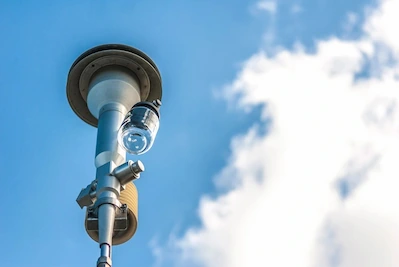
Signature tests under Ambient Air Quality Monitoring
The checks clients most often ask for with this service — we build the right sub-panel around your product and standard.
What we analyse under Ambient Air Quality Monitoring
The parameter groups below are drawn from this service's own accredited scope; the full searchable list follows.
NAAQS defines the limits
PM2.5, PM10, SO2, NOx and the rest are capped by NAAQS over specific averaging periods; monitoring must match those periods to be valid.
EIA and EC need a baseline
Environmental clearance and EIA studies require a documented ambient-air baseline from an accredited laboratory.
Layout drives credibility
Upwind/downwind and receptor placement determine whether the dataset truly represents the site — design matters as much as analysis.
Criteria pollutants & particulates
Gases & toxics
VOCs & chlorinated organics
Heavy metals & noise
Ambient Air Quality Monitoring — parameters & methods
| Parameter / Test | Method / Standard |
|---|---|
| 1,1,1,2-Tetrachloroethane | CVR/INS/SOP/GCMSMS/018CVR/INS/SOP/GCMSMS/026CVR/INS/SOP/GCMSMS/025 |
| 1,1,1-Trichloroethane | CVR/INS/SOP/GCMSMS/018CVR/INS/SOP/GCMSMS/026CVR/INS/SOP/GCMSMS/025 |
| 1,1,2,2-Tetrachloroethane | CVR/INS/SOP/GCMSMS/018CVR/INS/SOP/GCMSMS/026CVR/INS/SOP/GCMSMS/025 |
| 1,1,2-Trichloroethane | CVR/INS/SOP/GCMSMS/018CVR/INS/SOP/GCMSMS/026CVR/INS/SOP/GCMSMS/025 |
| 1,1-Dichloroethane | CVR/INS/SOP/GCMSMS/018CVR/INS/SOP/GCMSMS/026CVR/INS/SOP/GCMSMS/025 |
| 1,1-Dichloroethene | CVR/INS/SOP/GCMSMS/018CVR/INS/SOP/GCMSMS/026CVR/INS/SOP/GCMSMS/025 |
| 1,1-Dichloropropene | CVR/INS/SOP/GCMSMS/018CVR/INS/SOP/GCMSMS/026CVR/INS/SOP/GCMSMS/025 |
| 1,2,3-Trichlorobenzene | CVR/INS/SOP/GCMSMS/018CVR/INS/SOP/GCMSMS/026CVR/INS/SOP/GCMSMS/025 |
| 1,2,3-Trichloropropane | CVR/INS/SOP/GCMSMS/018CVR/INS/SOP/GCMSMS/026CVR/INS/SOP/GCMSMS/025 |
| 1,2,4-Trichlorobenzene | CVR/INS/SOP/GCMSMS/018CVR/INS/SOP/GCMSMS/026CVR/INS/SOP/GCMSMS/025 |
| 1,2,4-Trimethylbenzene | CVR/INS/SOP/GCMSMS/018CVR/INS/SOP/GCMSMS/026CVR/INS/SOP/GCMSMS/025 |
| 1,2-Dibromo-3- chloropropane | CVR/INS/SOP/GCMSMS/018CVR/INS/SOP/GCMSMS/026CVR/INS/SOP/GCMSMS/025 |
| 1,2-Dibromoethane | CVR/INS/SOP/GCMSMS/018CVR/INS/SOP/GCMSMS/026CVR/INS/SOP/GCMSMS/025 |
| 1,2-Dichlorobenzene | CVR/INS/SOP/GCMSMS/018CVR/INS/SOP/GCMSMS/026CVR/INS/SOP/GCMSMS/025 |
| 1,2-Dichloroethane | CVR/INS/SOP/GCMSMS/018CVR/INS/SOP/GCMSMS/026CVR/INS/SOP/GCMSMS/025 |
| 1,2-Dichloropropane | CVR/INS/SOP/GCMSMS/018CVR/INS/SOP/GCMSMS/026CVR/INS/SOP/GCMSMS/025 |
| 1,3,5-Trimethylbenzene | CVR/INS/SOP/GCMSMS/018CVR/INS/SOP/GCMSMS/026CVR/INS/SOP/GCMSMS/025 |
| 1,3-Dichlorobenzene | CVR/INS/SOP/GCMSMS/018CVR/INS/SOP/GCMSMS/026CVR/INS/SOP/GCMSMS/025 |
| 1,3-Dichloropropane | CVR/INS/SOP/GCMSMS/018CVR/INS/SOP/GCMSMS/026CVR/INS/SOP/GCMSMS/025 |
| 1,4-Dichlorobenzene | CVR/INS/SOP/GCMSMS/018CVR/INS/SOP/GCMSMS/026CVR/INS/SOP/GCMSMS/025 |
| 2,2-Dichloropropane | CVR/INS/SOP/GCMSMS/018CVR/INS/SOP/GCMSMS/026CVR/INS/SOP/GCMSMS/025 |
| 2-Chlorotoluene | CVR/INS/SOP/GCMSMS/018CVR/INS/SOP/GCMSMS/026CVR/INS/SOP/GCMSMS/025 |
| 4-Chlorotoluene | CVR/INS/SOP/GCMSMS/018CVR/INS/SOP/GCMSMS/026CVR/INS/SOP/GCMSMS/025 |
| 4-Isopropyltoluene | CVR/INS/SOP/GCMSMS/018CVR/INS/SOP/GCMSMS/026CVR/INS/SOP/GCMSMS/025 |
| Ammonia as (NH3) | IS 5182 (Part 25) Indophenol methodIS 11255 (Part 6)NIOSH - 6015 |
| Arsenic as As | CVR/INS/SOP/ICPMS/003IS 3025 (PART 65)CVR/INS/SOP/ICPMS/001 |
| Benzene | CVR/INS/SOP/GCMSMS/018IS 5182 (Part 11), 2011CVR/INS/SOP/GCMSMS/026 |
| Benzo(a)Pyrene | IS 5182 (Part 12), 2004 |
| Bromobenzene | CVR/INS/SOP/GCMSMS/018CVR/INS/SOP/GCMSMS/026CVR/INS/SOP/GCMSMS/025 |
| Bromochloromethane | CVR/INS/SOP/GCMSMS/018CVR/INS/SOP/GCMSMS/026CVR/INS/SOP/GCMSMS/025 |
| Bromodichloromethane | CVR/INS/SOP/GCMSMS/018CVR/INS/SOP/GCMSMS/026CVR/INS/SOP/GCMSMS/025 |
| Bromoform | CVR/INS/SOP/GCMSMS/018CVR/INS/SOP/GCMSMS/026CVR/INS/SOP/GCMSMS/025 |
| Bromomethane | CVR/INS/SOP/GCMSMS/018CVR/INS/SOP/GCMSMS/026CVR/INS/SOP/GCMSMS/025 |
| Carbon Monoxide as (CO) | IS 5182 (Part 10) : Clause 4 / Non-dispersive infrared Absorption Method |
| Carbon Tetrachloride | CVR/INS/SOP/GCMSMS/018CVR/INS/SOP/GCMSMS/026CVR/INS/SOP/GCMSMS/025 |
| Chlorine as (Cl2) | IS 5182 (Part 19)EPA 26A |
| Chlorobenzene | CVR/INS/SOP/GCMSMS/018CVR/INS/SOP/GCMSMS/026CVR/INS/SOP/GCMSMS/025 |
| Chloroethane | CVR/INS/SOP/GCMSMS/018CVR/INS/SOP/GCMSMS/026CVR/INS/SOP/GCMSMS/025 |
| Chloroform | CVR/INS/SOP/GCMSMS/018CVR/INS/SOP/GCMSMS/026CVR/INS/SOP/GCMSMS/025 |
| Chloromethane | CVR/INS/SOP/GCMSMS/018CVR/INS/SOP/GCMSMS/026CVR/INS/SOP/GCMSMS/025 |
| cis-1,2-Dichloroethene | CVR/INS/SOP/GCMSMS/018CVR/INS/SOP/GCMSMS/026CVR/INS/SOP/GCMSMS/025 |
| cis-1,3-Dichloropropene | CVR/INS/SOP/GCMSMS/018CVR/INS/SOP/GCMSMS/026CVR/INS/SOP/GCMSMS/025 |
| Dibromochloromethane | CVR/INS/SOP/GCMSMS/018CVR/INS/SOP/GCMSMS/026CVR/INS/SOP/GCMSMS/025 |
| Dibromomethane | CVR/INS/SOP/GCMSMS/018CVR/INS/SOP/GCMSMS/026CVR/INS/SOP/GCMSMS/025 |
| Dichlorodifluoromethane | CVR/INS/SOP/GCMSMS/018CVR/INS/SOP/GCMSMS/026CVR/INS/SOP/GCMSMS/025 |
| Ethylbenzene | CVR/INS/SOP/GCMSMS/018CVR/INS/SOP/GCMSMS/026CVR/INS/SOP/GCMSMS/025 |
| Fine Particulate Matter (PM 2.5) | IS 5182 (Part 24)CVR/ENV/SOP/012 |
| Hexachlorobutadiene | CVR/INS/SOP/GCMSMS/018CVR/INS/SOP/GCMSMS/026CVR/INS/SOP/GCMSMS/025 |
| Hydrogen Sulphide as (H2S) | IS 5182 (Part 7)NIOSH - 6013 |
| Isopropylbenzene | CVR/INS/SOP/GCMSMS/018CVR/INS/SOP/GCMSMS/026CVR/INS/SOP/GCMSMS/025 |
| Lead as Pb | CVR/INS/SOP/ICPMS/003IS 3025 (PART 65)CVR/INS/SOP/ICPMS/001 |
| m- & p-Xylenes | CVR/INS/SOP/GCMSMS/018CVR/INS/SOP/GCMSMS/026CVR/INS/SOP/GCMSMS/025 |
| Methylene Chloride | CVR/INS/SOP/GCMSMS/018CVR/INS/SOP/GCMSMS/026CVR/INS/SOP/GCMSMS/025 |
| Naphthalene | CVR/INS/SOP/GCMSMS/003CVR/INS/SOP/GCMSMS/018CVR/INS/SOP/GCMSMS/026 |
| n-Butylbenzene | CVR/INS/SOP/GCMSMS/018CVR/INS/SOP/GCMSMS/026CVR/INS/SOP/GCMSMS/025 |
| Nickel as Ni | CVR/INS/SOP/ICPMS/003IS 3025 (PART 65)CVR/INS/SOP/ICPMS/001 |
| n-Propylbenzene | CVR/INS/SOP/GCMSMS/018CVR/INS/SOP/GCMSMS/026CVR/INS/SOP/GCMSMS/025 |
| Oxides of Nitrogen as (NO2) | IS 5182 (Part 6) |
| o-Xylene | CVR/INS/SOP/GCMSMS/018CVR/INS/SOP/GCMSMS/026CVR/INS/SOP/GCMSMS/025 |
| Ozone as (O3) | IS 5182 (Part 9) |
| Respirable Suspended Particulate Matter( PM10), Cyclonic Flow Tecnique | IS 5182 (Part 23) |
| sec-Butylbenzene | CVR/INS/SOP/GCMSMS/018CVR/INS/SOP/GCMSMS/026CVR/INS/SOP/GCMSMS/025 |
| Styrene | CVR/INS/SOP/GCMSMS/018CVR/INS/SOP/GCMSMS/026CVR/INS/SOP/GCMSMS/025 |
| Sulphur Dioxide as (SO2) | IS 5182 (Part 2/Sec-1)CVR/ENV/SOP/01IS 11255 (Part 2) |
| t-Butylbenzene | CVR/INS/SOP/GCMSMS/018CVR/INS/SOP/GCMSMS/026CVR/INS/SOP/GCMSMS/025 |
| Tetrachloroethene | CVR/INS/SOP/GCMSMS/018CVR/INS/SOP/GCMSMS/026CVR/INS/SOP/GCMSMS/025 |
| Toluene | CVR/INS/SOP/GCMSMS/018CVR/INS/SOP/GCMSMS/026CVR/INS/SOP/GCMSMS/025 |
| Total Fluorides as (F) | IS 5182 (Part 13) |
| Total Volatile Organic Compounds | CVR/ENV/SOP/015 |
| trans-1,2-Dichloroethene | CVR/INS/SOP/GCMSMS/018CVR/INS/SOP/GCMSMS/026CVR/INS/SOP/GCMSMS/025 |
| trans-1,3-Dichloropropene | CVR/INS/SOP/GCMSMS/018CVR/INS/SOP/GCMSMS/026CVR/INS/SOP/GCMSMS/025 |
| Trichloroethene | CVR/INS/SOP/GCMSMS/018CVR/INS/SOP/GCMSMS/026CVR/INS/SOP/GCMSMS/025 |
| Trichlorofluoromethane | CVR/INS/SOP/GCMSMS/018CVR/INS/SOP/GCMSMS/026CVR/INS/SOP/GCMSMS/025 |
| Vinyl Chloride | CVR/INS/SOP/GCMSMS/018CVR/INS/SOP/GCMSMS/026CVR/INS/SOP/GCMSMS/025 |
| Xylene | CVR/INS/SOP/GCMSMS/018CVR/INS/SOP/GCMSMS/026CVR/INS/SOP/GCMSMS/025 |
| Noise Levels Leq dB(A) Ambient | IS 9989 |
How Ambient Air Quality Monitoring is tested
Reference methods applied
Pollutants are measured over the averaging periods prescribed by NAAQS (2009). Where more than one standard applies, the appropriate method is selected for each parameter; speciated VOCs are determined under validated in-house CVR GC-MS/MS SOPs within the accredited scope.
Accreditations covering Ambient Air Quality Monitoring
See the Accreditations & Scope page for full certificate details.
Samples we accept for Ambient Air Quality Monitoring
From enquiry to accredited report
Enquiry & Scope
Share your site, regulatory driver and parameters; we define the plan.
Field Sampling
Trained personnel sample on-site per CPCB/IS protocols.
Lab Analysis
Accredited instruments with full chain-of-custody and QC.
Technical Review
Results checked against statutory limits and approved.
Accredited Report
Audit-ready report formatted for regulatory submission.
Ambient Air Quality Monitoring — frequently asked questions
Is Ambient Air Quality Monitoring NABL-accredited at CVR Labs?
Which parameters and standard apply to ambient air?
Can you provide an EIA baseline?
How are monitoring stations positioned?
What samples do you accept for Ambient Air Quality Monitoring?
What parameters are included in Ambient Air Quality Monitoring?
Ready to test with an accredited laboratory?
NABL ISO/IEC 17025:2017 · ISO 9001 · ISO 45001 · CPCB · BIS — trusted since 1999.