
Cereals & Pulses Testing
Proximate, quality, heavy-metal, pesticide-residue, mycotoxin and microbiological analysis of cereals, pulses, millets and milled products.
About Cereals & Pulses Testing
Cereals and pulses are bulk commodities where value is decided by grade factors — moisture, foreign matter, damaged and weevilled grain, uric acid — and where safety hinges on aflatoxin, ochratoxin and pesticide residue. CVR Labs tests wheat, maize, millets, gram, lentils, soybean and their flours, besan and semolina against IS grade specifications and FSSAI contaminant limits in one submission.
For processors and exporters we add protein, starch and the residue panels that buyers ask for, while FCI- and mandi-grade work focuses on the physical and storage-pest parameters that determine procurement price. Reports are mapped to the exact IS or buyer grade so a consignment can be accepted, rejected or re-priced with confidence.
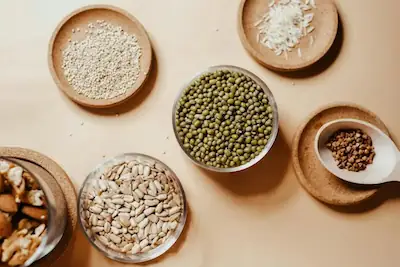
Signature tests under Cereals & Pulses Testing
The checks clients most often ask for with this service — we build the right sub-panel around your product and standard.
What we analyse under Cereals & Pulses Testing
The parameter groups below are drawn from this service's own accredited scope; the full searchable list follows.
Storage pests destroy value
Uric acid, insect fragments and weevilled-grain counts reveal infestation that visual grading understates — the difference between a premium and a rejected lot.
Mycotoxins build up in storage
Warm, humid godowns drive aflatoxin and ochratoxin A formation in cereals and pulses; LC-MS/MS quantification keeps you below FSSAI limits.
Protein & starch set the price
Milling and food-processing buyers pay on protein and starch content — accredited numbers settle quality disputes between supplier and buyer.
Physico-chemical & aggregate
Nutritional & proximate
Microbiology
Cereals & Pulses Testing — parameters & methods
| Parameter / Test | Method / Standard |
|---|---|
| Bacillus cereus | IS 5887 (Part 6)ISO 7932 |
| Clostridium perfringens | IS 5887 (Part 4) |
| Coliforms | IS 5401 (Part 1)ISO 4832IS 5401 (Part 2) |
| E.coli | IS 5887 (Part 1)CVR/MB/SOP/17APHA 24th Edition 9221 F |
| Enterobacteriaceae | ISO 21528-2ISO 21528-1CVR/MB/SOP/17 |
| Listeria monocytogenes | IS 14988 (Part 1)ISO 11290-1CVR/MB/SOP/17 |
| Salmonella spp. | IS 5887 (Part 3/Sec 1)ISO 6579-1 |
| Shigella spp. | IS 5887 (Part 7) |
| Staphylococcus aureus | IS 5887 (Part 2)IS 5887 (Part 8/Sec 1)ISO 6888-1 |
| Total Plate Count | IS 5402 (Part 1)ISO 4833-1IS 1622 |
| Vibrio cholerae | IS 5887 (Part 5/Sec 1)IS 5887 (Part 5)ISO 21872-1 |
| Vibrio parahaemolyticus | IS 5887 (Part 5/Sec 1)IS 5887 (Part 5)ISO 21872-1 |
| Yeast and Moulds | IS 5403 |
| Carbohydrate | CVR/FD/SOP/001 |
| Crude fibre | IS 10226 (part 1)FSSAI manual of methods of analysis of foods (Cereal and cereal products) FSSAI 03.018:2023IS 10226 (Part 1) |
| Dietary fibre | AOAC 22nd edition 985.29 |
| Energy | CVR/FD/SOP/001 |
| Hydrocyanic acid | AOAC 22nd edition 915.03 |
| Nitrogen content | FSSAI manual of methods of analysis of foods (Cereal and cereal products) FSSAI 03.017:2023 |
| Protein | IS 7219FSSAI manual of methods of analysis of foods (Cereal and cereal products) FSSAI 03.017:2023FSSAI Manual of Methods of Analysis of foods (Dairy and dairy products) FSSAI 01.026:2022 |
| Rodent hair and excreta | FSSAI manual of methods of analysis of foods (Cereal and cereal products) FSSAI 03.004:2023 |
| Sugar | AOAC 22nd edition 939.03FSSAI manual of methods of analysis of foods (Fruits & Vegetable Products) 2.6 |
| Sulphurdioxide | AOAC 22nd edition 990.28 |
| Test for added colouring matter | FSSAI Manual of Methods of Analysis of foods (Food additives), 4.2 pg 82 |
| Test for rancidity | FSSAI Manual of Methods of Analysis of foods (Oils and fats), FSSAI 02.042:2021FSSAI Manual of Methods of Analysis of foods (Oils and fats), FSSAI 02.043:2021 |
| Total fat | IS 6287IS 1163IS 12711 |
| Granularity / particle size | FSSAI manual of methods of analysis of foods (Cereal and cereal products) FSSAI 03.019:2023 |
| Alcoholic acidity as H2SO4 (with 90% alcohol) | FSSAI manual of methods of analysis of foods (Cereal and cereal products) FSSAI 03.015:2023FSSAI manual of methods of analysis of foods (Cereal and cereal products) FSSAI 03.027:2023IS 4706 P-2 |
| Acid insoluble ash in dil HCl | IS 13846FSSAI Manual of Methods of Analysis of foods (Fruits & Vegetable Products) 5.3FSSAI manual of methods of analysis of foods (Cereal and cereal products) FSSAI 03.012:2023 |
| Total ash | IS 13846IS 6287IS 4684 |
| Urease index / urease activity | FSSAI manual of methods of analysis of foods (Cereal and cereal products) FSSAI 03.041:2023 |
| Total protein | FSSAI manual of methods of analysis of foods (Cereal and cereal products) FSSAI 03.017:2023 |
| Moisture | FSSAI Manual of Methods of Analysis of foods (Fruits & Vegetable Products) 4.1FSSAI Manual of Methods of Analysis of foods (Oils and fats), FSSAI 02.001:2021FSSAI manual of methods of analysis of foods (Cereal and cereal products) FSSAI 03.006:2023 |
| Starch content | IS 4706 (Part 2) |
| Breadth | FSSAI manual of methods of analysis of foods (Cereal and cereal products) FSSAI 03.058:2023 |
| Broken fragments | IS 4333 (Part 1) |
| Damaged and discoloured kernels | IS 4333 (Part 1) |
| Elongation ratio after cooking | FSSAI manual of methods of analysis of foods (Cereal and cereal products) FSSAI 03.059:2023 |
| Green grains | IS 4333 (Part 1) |
| Length | FSSAI manual of methods of analysis of foods (Cereal and cereal products) FSSAI 03.058:2023 |
| Length of cooked rice | FSSAI manual of methods of analysis of foods (Cereal and cereal products) FSSAI 03.058:2023 |
| Other varieties of non- basmati rice | IS 4333 (Part 1) |
| Paddy grains | IS 4333 (Part 1) |
| Under-milled, red strip or red grains | IS 4333 (Part 1) |
| Volume expansion ratio | FSSAI manual of methods of analysis of foods (Cereal and cereal products) FSSAI 03.059:2023 |
| 1000 kernel/grain mass | IS 4333 Part 4 |
| Acidity of extracted fat | FSSAI manual of methods of analysis of foods (Cereal and cereal products) FSSAI 03.016:2023 |
| Shrunken and broken kernels | CVR/FD/SOP/002 |
| Acid value of extracted fat | FSSAI Manual of Methods of Analysis of foods (Oils and fats), FSSAI 02.009:2021FSSAI manual of methods of analysis of foods (Cereal and cereal products) FSSAI 03.038:2023IS 4684 |
| Crude protein | IS 7219FSSAI manual of methods of analysis of foods (Cereal and cereal products) FSSAI 03.017:2023 |
| Density at 20? | IS 2404 |
| Reducing sugar as anhydrous maltose | IS 2404 |
| Refractive index at 20? | IS 2404 |
| Total solids | FSSAI Manual of Methods of Analysis of foods (Dairy and dairy products) FSSAI 01.046:2022FSSAI Manual of Methods of Analysis of foods (Dairy and dairy products) FSSAI 01.025:2022FSSAI Manual of Methods of Analysis of foods (Fruits & Vegetable Products) 2.1 |
| Cocoa powder | FSSAI manual of methods of analysis of foods (Cereal and cereal products) FSSAI 03.031:2023 |
| Solubility | FSSAI manual of methods of analysis of foods (Cereal and cereal products) FSSAI 03.030:2023 |
| Test for starch | FSSAI manual of methods of analysis of foods (Dairy and dairy products) FSSAI 01.003:2022FSSAI Manual of Methods of Analysis of foods (Dairy and dairy products) FSSAI 01.074:2022FSSAI Manual of Methods of Analysis of foods (Dairy and dairy products) FSSAI 01.003:2022 |
| Hull-less and broken kernels | CVR/FD/SOP/002 |
| Minimum test weight | IS 4333 (P-3) |
| Fermented, musty or other objectionable odour / taste, adulterants, insects, fungi, rodent contamination | CVR/FD/SOP/002 |
| Other edible grains/seeds/ pulses | FSSAI manual of methods of analysis of foods (Cereal and cereal products) FSSAI 03.003:2023 |
| Damaged kernels including heat damaged and pin-point damaged | IS 4333 (Part 1) |
| Immature kernels | FSSAI manual of methods of analysis of foods (Cereal and cereal products) FSSAI 03.003:2023 |
| Weevilled kernels | FSSAI manual of methods of analysis of foods (Cereal and cereal products) FSSAI 03.003:2023 |
| Chalky kernels | FSSAI manual of methods of analysis of foods (Cereal and cereal products) FSSAI 03.003:2023 |
| Inorganic or mineral matter | FSSAI manual of methods of analysis of foods (Cereal and cereal products) FSSAI 03.002:2023 |
| Organic extraneous matter | IS 4333 (Part 1)CVR/FD/SOP/002 |
| Damaged / split / cracked seed | CVR/FD/SOP/002 |
| Weevilled seeds by count | CVR/FD/SOP/002 |
| Damaged grains/seeds/ pulses | IS 4333 (Part 1) |
| Discoloured seeds | IS 4333 (Part 1) |
| Foreign or extraneous matter | FSSAI manual of methods of analysis of foods (Cereal and cereal products) FSSAI 03.001:2023 |
| Immature and shrivelled grains/ pulses | FSSAI manual of methods of analysis of foods (Cereal and cereal products) FSSAI 03.003:2023 |
| Seeds/ grains with serious defects. (Seeds/grains in which the cotyledons have been affected or attacked by pests; seeds/grains with very slight traces of mould or decay; or slight cotyledon staining) | CVR/FD/SOP/002 |
| Seeds/ grains with slight defects.(Seeds/grains which have not reached normal development; seeds/grains with extensive seedcoat staining, without the cotyledon being affected; seeds/grains in which the seedcoat is wrinkled, with pronounced folding or broken) | CVR/FD/SOP/002 |
| Toxic and inedible seeds (Argemone mexicana, kesari dhal, akra, dhatura, castor, corn cockle) | CVR/FD/SOP/002 |
| Added colouring matter (natural/ synthetic) | FSSAI Manual of Methods of Analysis of foods (Food additives), 4.2 pg 82 |
| Impurities of animal origin | FSSAI manual of methods of analysis of foods (Cereal and cereal products) FSSAI 03.004:2023 |
| Weevilled grains/seeds/ pulses | FSSAI manual of methods of analysis of foods (Cereal and cereal products) FSSAI 03.003:2023 |
| Gluten | FSSAI manual of methods of analysis of foods (Cereal and cereal products) FSSAI 03.013:2023 |
| Acesulfame K | CVR/INS/SOP/LCMS-MS/007 |
| Agaric Acid | CVR/INS/SOP/HPLC/006 |
| Alitame | CVR/INS/SOP/LCMS-MS/007 |
| Allura red | CVR/INS/SOP/HPLC/13 |
| Aspartame | CVR/INS/SOP/LCMS-MS/007 |
| Azoubin | CVR/INS/SOP/HPLC/13 |
| Benzoic acid | CVR/INS/SOP/HPLC/007 |
| BHA | CVR/INS/SOP/HPLC/05 |
| BHT | CVR/INS/SOP/HPLC/05 |
| Biotin(Vitamin B7) | CVR/INS/SOP/LCMS-MS/010 |
| Brilliant blue | CVR/INS/SOP/HPLC/13 |
| Cholesterol | AOAC 22nd Edition 994.10 |
| Cyanocobalamin(Vitamin B12) | CVR/INS/SOP/LCMS-MS/010 |
| Fast green | CVR/INS/SOP/HPLC/13 |
| Folic acid(Vitamin B9) | CVR/INS/SOP/LCMS-MS/010 |
| Hypericine | CVR/INS/SOP/HPLC/006 |
| Melamine | CVR/INS/SOP/LCMS-MS/008 |
| Monounsaturated Fatty Acids (MUFA) | AOAC 22nd Edition 996.06CVR/INS/SOP/GCMSMS/009 |
| Neotame | CVR/INS/SOP/LCMS-MS/007 |
| Niacin(Vitamin B3) | CVR/INS/SOP/LCMS-MS/010 |
| Pantothenic acid(Vitamin B5) | CVR/INS/SOP/LCMS-MS/010 |
| Polyunsaturated Fatty Acids (PUFA) | AOAC 22nd Edition 996.06CVR/INS/SOP/GCMSMS/009 |
| Ponceau 4R | CVR/INS/SOP/HPLC/13 |
| Pyridoxine(Vitamin B6) | CVR/INS/SOP/LCMS-MS/010 |
| Riboflavin(Vitamin B2) | CVR/INS/SOP/LCMS-MS/010 |
| Saccharin | CVR/INS/SOP/LCMS-MS/007 |
| Saturated Fatty Acids | AOAC 22nd Edition 996.06CVR/INS/SOP/GCMSMS/009 |
| Sorbic acid | CVR/INS/SOP/HPLC/007 |
| Sunset yellow | CVR/INS/SOP/HPLC/13 |
| TBHQ | CVR/INS/SOP/HPLC/05 |
| Thiamin(Vitamiin B1) | CVR/INS/SOP/LCMS-MS/010 |
| Trans Fatty Acids | AOAC 22nd Edition 996.06 |
| Starch | FSSAI Manual of Methods of Analysis of foods (Spices, herbs and condiments) FSSAI 10.032:2021FSSAI manual of methods of analysis of foods (Spices, Herbs and condiments) FSSAI 10.032:2021IS 7807 |
| Crude fat | IS 12758IS 12569IS 2639 |
| Total sugar | FSSAI manual of methods of analysis of foods (Fruits & Vegetable Products) 2.6IS 6287 |
How Cereals & Pulses Testing is tested
Reference methods applied
Where more than one standard applies, the appropriate method is selected for each sample and regulatory requirement. Validated in-house CVR SOPs on GC-MS/MS, LC-MS/MS and ICP-MS are part of the accredited scope.
Accreditations covering Cereals & Pulses Testing
See the Accreditations & Scope page for full certificate details.
Samples we accept for Cereals & Pulses Testing
From enquiry to accredited report
Request a Quote
Share product, parameters and target standard.
Send Sample
Submit in sealed, labelled packaging or arrange pickup.
Login & Prep
Logged in LIMS with unique IDs and prepared.
Accredited Analysis
Validated NABL-scope methods on advanced instruments.
Test Report
Traceable, accredited report with limit comparison.
Cereals & Pulses Testing — frequently asked questions
Is Cereals & Pulses Testing NABL-accredited at CVR Labs?
Do you grade cereals to IS / FCI specifications?
Can you check pulses for uric acid and infestation?
Which mycotoxins matter for cereals and pulses?
What samples do you accept for Cereals & Pulses Testing?
What parameters are included in Cereals & Pulses Testing?
Ready to test with an accredited laboratory?
NABL ISO/IEC 17025:2017 · ISO 9001 · ISO 45001 · CPCB · BIS — trusted since 1999.