
Nuts & Nut Products Testing
Aflatoxin, moisture, free-fatty-acid, heavy-metal, pesticide and microbiological testing for nuts, dry fruits and nut products.
About Dry Fruits & Nuts Testing
Nuts and dry fruits are the highest aflatoxin-risk food category in the export trade — a single contaminated lot of groundnut, pistachio or almond can place an exporter on an import-alert list. CVR Labs quantifies aflatoxins B1/B2/G1/G2 by LC-MS/MS in groundnut, cashew, almond, pistachio, walnut, dates, raisins and nut butters, alongside moisture, free fatty acid and the rancidity indicators that govern shelf life.
We add ochratoxin A, pesticide residue, heavy metals and Salmonella to match EU, US and Gulf buyer protocols, and report against the strict FSSAI and importing-country aflatoxin limits. For processors of nut pastes and roasted products, peroxide and FFA trends provide a defensible shelf-life and quality basis.
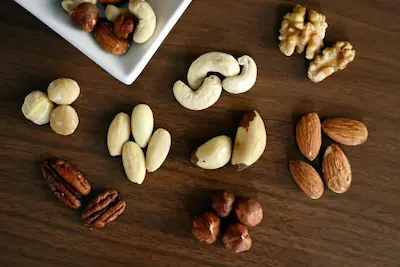
Signature tests under Dry Fruits & Nuts Testing
The checks clients most often ask for with this service — we build the right sub-panel around your product and standard.
What we analyse under Dry Fruits & Nuts Testing
The parameter groups below are drawn from this service's own accredited scope; the full searchable list follows.
Aflatoxin is the export killer
Groundnut, pistachio and other nuts top the EU rejection list for aflatoxin; LC-MS/MS confirmation below the import limit is non-negotiable for exporters.
Rancidity limits shelf life
High oil content makes nuts prone to oxidative rancidity — free fatty acid and peroxide value set an honest best-before date.
Salmonella in nuts triggers recalls
Low-moisture does not mean Salmonella-free; pathogen detection protects roasted, raw and nut-butter lines.
Microbiology & pathogens
Proximate & composition
Oils, fats & rancidity
Grading & physical defects
Dry Fruits & Nuts Testing — parameters & methods
| Parameter / Test | Method / Standard |
|---|---|
| Bacillus cereus | IS 5887 (Part 6)ISO 7932 |
| Clostridium perfringens | IS 5887 (Part 4) |
| Coliforms | IS 5401 (Part 1)ISO 4832IS 5401 (Part 2) |
| E.coli | IS 5887 (Part 1)CVR/MB/SOP/17APHA 24th Edition 9221 F |
| Enterobacteriaceae | ISO 21528-2ISO 21528-1CVR/MB/SOP/17 |
| Listeria monocytogenes | IS 14988 (Part 1)ISO 11290-1CVR/MB/SOP/17 |
| Salmonella spp. | IS 5887 (Part 3/Sec 1)ISO 6579-1 |
| Shigella spp. | IS 5887 (Part 7) |
| Staphylococcus aureus | IS 5887 (Part 2)IS 5887 (Part 8/Sec 1)ISO 6888-1 |
| Total Plate Count | IS 5402 (Part 1)ISO 4833-1IS 1622 |
| Vibrio cholerae | IS 5887 (Part 5/Sec 1)IS 5887 (Part 5)ISO 21872-1 |
| Vibrio parahaemolyticus | IS 5887 (Part 5/Sec 1)IS 5887 (Part 5)ISO 21872-1 |
| Yeast and Moulds | IS 5403 |
| Fruit juice content | FSSAI Manual of Methods of Analysis of foods (Fruits & Vegetable Products) 2.11FSSAI manual of methods of analysis of foods (Fruits & Vegetable Products) 2.11 |
| Mineral impurities | FSSAI Manual of Methods of Analysis of foods (Fruits & Vegetable Products) 2.10 |
| Salt as NaCl | FSSAI manual of methods of analysis of foods (Fruits & Vegetable Products) 1.7IS 12451FSSAI Manual of Methods of Analysis of foods (Fruits & Vegetable Products) 1.7 |
| Sugar content as sucrose | FSSAI manual of methods of analysis of foods (Fruits & Vegetable Products) 2.6 |
| Test for added colouring matter | FSSAI Manual of Methods of Analysis of foods (Food additives), 4.2 pg 82 |
| Titrable Acidity as citric acid | FSSAI Manual of Methods of Analysis of foods (Fruits & Vegetable Products) 2.4 |
| Total soluble solids | IS 13815 |
| Carbohydrates | CVR/FD/SOP/001 |
| Energy | CVR/FD/SOP/001 |
| Moisture | FSSAI Manual of Methods of Analysis of foods (Fruits & Vegetable Products) 4.1FSSAI Manual of Methods of Analysis of foods (Oils and fats), FSSAI 02.001:2021FSSAI manual of methods of analysis of foods (Cereal and cereal products) FSSAI 03.006:2023 |
| Titrable acidity as lactic acid | IS 3509FSSAI Manual of Methods of Analysis of foods (Dairy and dairy products) FSSAI 01.035:2022FSSAI Manual of Methods of Analysis of foods (Dairy and dairy products) FSSAI 01.076:2022 |
| Total solids | FSSAI Manual of Methods of Analysis of foods (Dairy and dairy products) FSSAI 01.046:2022FSSAI Manual of Methods of Analysis of foods (Dairy and dairy products) FSSAI 01.025:2022FSSAI Manual of Methods of Analysis of foods (Fruits & Vegetable Products) 2.1 |
| Free fatty acid of extracted fat as lauric acid | IS 966 |
| Oil / fat content | IS 966 |
| Total ash | IS 13846IS 6287IS 4684 |
| Bulk density | IS 16116FSSAI manual of methods of analysis of foods (Spices, Herbs and condiments) FSSAI 10.018:2021 |
| Crude fibre | IS 10226 (part 1)FSSAI manual of methods of analysis of foods (Cereal and cereal products) FSSAI 03.018:2023IS 10226 (Part 1) |
| Protein | IS 7219FSSAI manual of methods of analysis of foods (Cereal and cereal products) FSSAI 03.017:2023FSSAI Manual of Methods of Analysis of foods (Dairy and dairy products) FSSAI 01.026:2022 |
| Acid value of extracted fat | FSSAI Manual of Methods of Analysis of foods (Oils and fats), FSSAI 02.009:2021FSSAI manual of methods of analysis of foods (Cereal and cereal products) FSSAI 03.038:2023IS 4684 |
| Fat | IS 12758IS 9037IS 12451 |
| Test for argemone oil | FSSAI Manual of Methods of Analysis of foods (Oils and fats), FSSAI 02.032:2021FSSAI manual of methods of analysis of foods (Spices, Herbs and condiments) FSSAI 10.015:2021 |
| Acid value | FSSAI Manual of Methods of Analysis of foods (Oils and fats), FSSAI 02.009:2021 |
| Added colouring matter (oil soluble) | FSSAI Manual of Methods of Analysis of foods (Oils and fats), FSSAI 02.046:2021 |
| Allylisothiocyanate | IS 548 P-1FSSAI manual of methods of analysis of foods (Spices, Herbs and condiments) FSSAI 10.016:2021 |
| Baudouin test | FSSAI Manual of Methods of Analysis of foods (Oils and fats), FSSAI 02.013:2021FSSAI Manual of Methods of Analysis of foods (Dairy and dairy products) FSSAI 01.091:2022 |
| Bellier turbidity test | FSSAI Manual of Methods of Analysis of foods (Oils and fats), FSSAI 02.012:2021 |
| Carr-Price test for vitamin A | FSSAI Manual of Methods of Analysis of foods (Oils and fats), FSSAI 02.040:2021 |
| Cloud point | FSSAI Manual of Methods of Analysis of foods (Oils and fats), FSSAI 02.015:2021 |
| Flash point (Pensky Marten closed cup) | FSSAI Manual of Methods of Analysis of foods (Oils and fats), FSSAI 02.004:2021 |
| Free fatty acid as oleic/ palmitic/lauric/ricinoleic acid | FSSAI Manual of Methods of Analysis of foods (Oils and fats), FSSAI 02.009:2021 |
| Insoluble impurities | IS 548 P-1 |
| Iodine value | FSSAI Manual of Methods of Analysis of foods (Oils and fats), FSSAI 02.010:2021IS 1263FSSAI Manual of Methods of Analysis of foods (Dairy and dairy products) FSSAI 01.095:2022 |
| Melting point | IS 1263FSSAI Manual of Methods of Analysis of foods (Oils and fats), FSSAI 02.006:2021IS 12451 |
| Moisture and volatile matter | FSSAI Manual of Methods of Analysis of foods (Oils and fats), FSSAI 02.001:2021FSSAI manual of methods of analysis of foods (Spices, Herbs and condiments) FSSAI 10.027:2021 |
| Peroxide value | FSSAI Manual of Methods of Analysis of foods (Oils and fats), FSSAI 02.042:2021IS 12711FSSAI Manual of Methods of Analysis of foods (Dairy and dairy products) FSSAI 01.094:2022 |
| Polenske value | FSSAI Manual of Methods of Analysis of foods (Dairy and dairy products), FSSAI 01.090:2022FSSAI Manual of Methods of Analysis of foods (Dairy and dairy products) FSSAI 01.078:2022FSSAI Manual of Methods of Analysis of foods (Dairy and dairy products) FSSAI 01.090:2022 |
| Refractive index @ 40°C | FSSAI Manual of Methods of Analysis of foods (Oils and fats), FSSAI 02.003:2021 |
| Saponification value | FSSAI Manual of Methods of Analysis of foods (Oils and fats), FSSAI 02.007:2021IS 1263FSSAI Manual of Methods of Analysis of foods (Dairy and dairy products) FSSAI 01.096:2022 |
| Specific gravity | FSSAI Manual of Methods of Analysis of foods (Oils and fats), FSSAI 02.002:2021 |
| Test for castor oil | FSSAI Manual of Methods of Analysis of foods (Oils and fats), FSSAI 02.031:2021 |
| Test for hydrocyanic acid | FSSAI Manual of Methods of Analysis of foods (Oils and fats), FSSAI 02.034:2021FSSAI Manual of Methods of Analysis of foods (Oils and fats), FSSAI 02.035:2021 |
| Test for linseed oil | FSSAI Manual of Methods of Analysis of foods (Oils and fats), FSSAI 02.017:2021 |
| Test for mineral oil | FSSAI Manual of Methods of Analysis of foods (Oils and fats), FSSAI 02.029:2021 |
| Test for rancidity | FSSAI Manual of Methods of Analysis of foods (Oils and fats), FSSAI 02.042:2021FSSAI Manual of Methods of Analysis of foods (Oils and fats), FSSAI 02.043:2021 |
| Unsaponfiable matter | FSSAI Manual of Methods of Analysis of foods (Oils and fats), FSSAI 02.008:2021IS 1263 |
| Acid insoluble ash in dil HCl | IS 13846FSSAI Manual of Methods of Analysis of foods (Fruits & Vegetable Products) 5.3FSSAI manual of methods of analysis of foods (Cereal and cereal products) FSSAI 03.012:2023 |
| Added colour (natural/ synthetic) | FSSAI Manual of Methods of Analysis of foods (Food additives), 4.2 pg 82FSSAI Manual of Methods of Analysis of foods (Food additives), 4.2 pg 82, 2016 |
| Extraneous matter | CVR/FD/SOP/002IS 15279IS 4706 P-1 |
| Inorganic extraneous matter of total extraneous matter | FSSAI manual of methods of analysis of foods (Spices, Herbs and condiments) FSSAI 10.002:2021 |
| Insect damaged matter | CVR/FD/SOP/002 |
| Moulds, living and dead insects, insect fragments, rodent contamination | CVR/FD/SOP/002 |
| Non-volatile ether extract | FSSAI manual of methods of analysis of foods (Spices, Herbs and condiments) FSSAI 10.012:2021 |
| Oraganic extraneous matter | FSSAI manual of methods of analysis of foods (Spices, Herbs and condiments) FSSAI 10.002:2021 |
| Volatile oil | FSSAI manual of methods of analysis of foods (Spices, Herbs and condiments) FSSAI 10.013:2021 |
| Mace in nutmeg | IS 17747 |
| Water insoluble ash | FSSAI manual of methods of analysis of foods (Spices, Herbs and condiments) FSSAI 10.008:2021 |
| Acid insoluble ash | FSSAI Manual of Methods of Analysis of foods (Beverages: tea, coffee, chicory) FSSAI 004A.007:2023IS 6287IS 1163 |
| Total sugar | FSSAI manual of methods of analysis of foods (Fruits & Vegetable Products) 2.6IS 6287 |
| Benzoic acid | CVR/INS/SOP/HPLC/007 |
| BHA | CVR/INS/SOP/HPLC/05 |
| BHT | CVR/INS/SOP/HPLC/05 |
| Sorbic acid | CVR/INS/SOP/HPLC/007 |
| TBHQ | CVR/INS/SOP/HPLC/05 |
| Dietary fibre | AOAC 22nd edition 985.29 |
| Acidty of exctracted fat as oleic acid | FSSAI Manual of Methods of Analysis of foods (Oils and fats), FSSAI 02.009:2021 |
| Blemishes and discolouration | CVR/FD/SOP/002 |
| Carbohydrate | CVR/FD/SOP/001 |
| Chipped and scratched | CVR/FD/SOP/002 |
| Damaged kernels including slightly damaged kernels | CVR/FD/SOP/002 |
| Damaged nuts (blemish/crack, broken, not fully dehusked, black pith) | IS 16962 |
| Damaged/discoloured units | CVR/FD/SOP/002 |
| Doubles or twins | CVR/FD/SOP/002 |
| Empty shells | CVR/FD/SOP/002 |
| Extraneous vegetable matter | CVR/FD/SOP/002 |
| Foreign matter | CVR/FD/SOP/002 |
| Free fatty acid as oleic acid | FSSAI Manual of Methods of Analysis of foods (Oils and fats), FSSAI 02.009:2021IS 1263FSSAI Manual of Methods of Analysis of foods (Dairy and dairy products) FSSAI 01.089:2022 |
| Gummy and brown spots | CVR/FD/SOP/002 |
| Immature or shrivelled | CVR/FD/SOP/002 |
| Insect damaged | CVR/FD/SOP/002 |
| Inshell almonds, shell or skin fragments | CVR/FD/SOP/002 |
| Nuts damaged by moulds and insects | IS 16962 |
| Oil content | IS 3579IS 4684 |
| Presence of testa | CVR/FD/SOP/002 |
| Rancid, rotten and damaged by insects or pests | CVR/FD/SOP/002 |
| Shrunken or shrivelled and not sufficiently developed kernels | CVR/FD/SOP/002 |
| Speckled or spotted | CVR/FD/SOP/002 |
| Split, broken and halves | CVR/FD/SOP/002 |
| Superficial damage | CVR/FD/SOP/002 |
| Unopened shells | CVR/FD/SOP/002 |
| Alcoholic acidity as H2SO4 | FSSAI manual of methods of analysis of foods (Cereal and cereal products) FSSAI 03.015:2023 |
| Rancidity | FSSAI Manual of Methods of Analysis of foods (Oils and fats), FSSAI 02.043:2021 |
| Crude fat | IS 12758IS 12569IS 2639 |
| Crude protein | IS 7219FSSAI manual of methods of analysis of foods (Cereal and cereal products) FSSAI 03.017:2023 |
| Extraneous matter insoluble in water | IS 15279 |
| Reducing sugar | FSSAI manual of methods of analysis of foods (Fruits & Vegetable Products) 2.6IS 6287IS 15279 |
| Sucrose | IS 15279IS 4079FSSAI Manual of Methods of Analysis of foods (Honey & other beehive products) 04B.004:2024 |
| Sulphated ash | IS 15279IS 6287IS 4706 P-2 |
How Dry Fruits & Nuts Testing is tested
Reference methods applied
Proximate, oil-quality and grading parameters follow the FSSAI Manuals of Analysis and the relevant IS standards; microbiology follows the IS 5887, IS 5401 and ISO culture methods; preservatives and antioxidants (BHA, BHT, TBHQ, benzoic and sorbic acid) are determined by HPLC. Where more than one standard applies, the appropriate method is selected for each sample and regulatory requirement.
Accreditations covering Dry Fruits & Nuts Testing
See the Accreditations & Scope page for full certificate details.
Samples we accept for Dry Fruits & Nuts Testing
From enquiry to accredited report
Request a Quote
Share product, parameters and target standard.
Send Sample
Submit in sealed, labelled packaging or arrange pickup.
Login & Prep
Logged in LIMS with unique IDs and prepared.
Accredited Analysis
Validated NABL-scope methods on advanced instruments.
Test Report
Traceable, accredited report with limit comparison.
Dry Fruits & Nuts Testing — frequently asked questions
Is Dry Fruits & Nuts Testing NABL-accredited at CVR Labs?
What aflatoxin limits do you test nuts against?
Do you test nut butters and pastes?
Is Salmonella testing necessary for nuts?
What samples do you accept for Dry Fruits & Nuts Testing?
What parameters are included in Dry Fruits & Nuts Testing?
Ready to test with an accredited laboratory?
NABL ISO/IEC 17025:2017 · ISO 9001 · ISO 45001 · CPCB · BIS — trusted since 1999.